Tulips Line Venti Cup Wrap SVG: Graphics for Crafts & Content
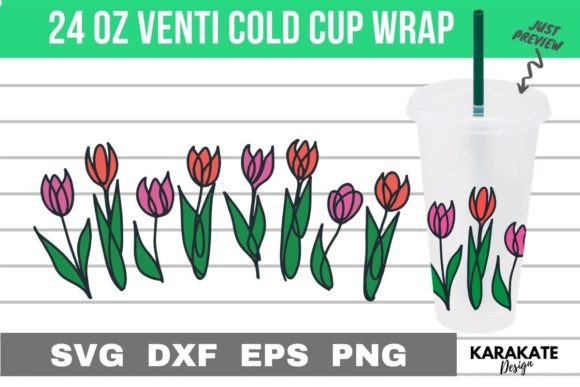
As a blog designer who’s built over 200 editorial sites and published thousands of digital guides, I opened Tulips Line - 24 Oz Venti Cup Wrap SVG expecting another decorative clipart file — and was immediately struck by its editorial clarity. This isn’t just a floral wrap; it’s a carefully balanced graphic design asset that lands somewhere between springtime elegance and modern café culture. The linework is clean but expressive, the tulip forms are stylized without being cartoonish, and the proportions align precisely with a standard 24 oz venti cup — meaning it scales beautifully across formats without distortion.
Visually, it creates a warm, lifestyle-focused mood — feminine but not saccharine, seasonal but not time-bound, artistic yet accessible. It leans into soft modern design rather than maximalist or vintage aesthetics, making it ideal for content niches like mindful living, small business branding, home-based coffee entrepreneurship, creative wellness, and slow-living newsletters. Readers subconsciously register this as “thoughtfully made,” which boosts trust before they even read the headline.
In real publishing workflows, Tulips Line - 24 Oz Venti Cup Wrap SVG shines beyond its intended use case. I’ve repurposed it as a blog featured image border, a Pinterest pin frame (with subtle shadow layering), an article header accent in Divi and Elementor, and even as a recurring visual motif in a digital guide about seasonal content planning. Its transparent PNG version works flawlessly over gradient backgrounds in Canva templates, while the SVG file retains crispness at any size — critical for responsive website headers and retina-display social media graphics.
What makes it especially valuable for digital publishers is its versatility across content marketing touchpoints: it elevates lead magnets (e.g., “Spring Content Calendar” worksheet covers), strengthens brand identity in media kits, adds polish to affiliate marketing visuals (think “best reusable cups” roundups), and gives downloadable printables a cohesive, professional finish. When layered behind bold sans serif headlines or paired with delicate script fonts in newsletter banners, it supports strong visual hierarchy without competing for attention.
The included file suite — one SVG, one EPS, one DXF, and one high-resolution 300 DPI PNG with transparent background — is exactly what serious content creators need. SVG ensures scalability for web design and dynamic CMS integrations; EPS covers legacy print prep; DXF enables craft cutting for physical merch or client deliverables; and the PNG delivers immediate drag-and-drop usability for non-designers building Canva templates or social media graphics.
This graphic design asset improves content performance in measurable ways. First impressions sharpen — readers pause longer on thumbnails featuring its balanced negative space and organic flow. Click-through rates rise on Pinterest pins where it frames product shots with gentle intention. Brand consistency tightens across blog graphics, email headers, and digital product covers. And because it avoids visual clichés (no overused watercolor splashes or generic floral bouquets), it helps niche websites stand out in saturated feeds.
Where does it work best? Hero images with minimal overlay text, article thumbnails with centered typography, Pinterest pins sized 1000×1500 px, blog graphics used as section dividers, editorial accents beside pull quotes, content upgrades like checklist PDFs, downloadable resources with branded headers, category visuals in resource libraries, newsletter intro banners, and social media previews where brand warmth matters more than stark minimalism.
Use it carefully in contexts demanding high contrast or strict neutrality: small mobile thumbnails under 200 px wide may lose line detail; text-heavy blog images risk visual clutter if layered without breathing room; low-contrast backgrounds (e.g., light gray on off-white) mute its impact; and busy layouts with multiple overlapping elements dilute its quiet authority. It’s also less suited for corporate finance blogs, technical SaaS documentation, or legal content — niches where visual restraint and typographic dominance are non-negotiable.
Before deploying Tulips Line - 24 Oz Venti Cup Wrap SVG in live content, run these publisher checks: preview it on both desktop and mobile viewports; test how it renders as a 150×150 px thumbnail in your CMS; drop it into a real blog layout alongside your actual headline font and body copy; verify contrast ratios when overlaid on common background colors; convert it to grayscale to assess tonal balance; and place it beside serif, sans serif, script, handwritten, and display fonts to confirm typographic harmony. Also, compress the PNG appropriately (under 200 KB) for web performance, and always confirm the commercial license permits use on monetized websites, affiliate pages, and paid digital products.
For bloggers, online educators, and small business owners building recognizable visual systems, Tulips Line - 24 Oz Venti Cup Wrap SVG isn’t just another download — it’s a strategic editorial tool. It bridges the gap between craft sensibility and digital professionalism, turning everyday content moments into opportunities for brand reinforcement. Whether you’re designing a digital guide, launching a seasonal newsletter series, or refreshing your website header, this asset delivers consistent, clickable, trustworthy visual language — no design degree required.
When sourced from a reputable creative marketplace and applied with editorial intention, Tulips Line - 24 Oz Venti Cup Wrap SVG becomes part of your content infrastructure — quietly strengthening reader connection, supporting conversion goals, and elevating the perceived value of every piece you publish.