Lake Svg: An Embroidery Designer’s Practical Review
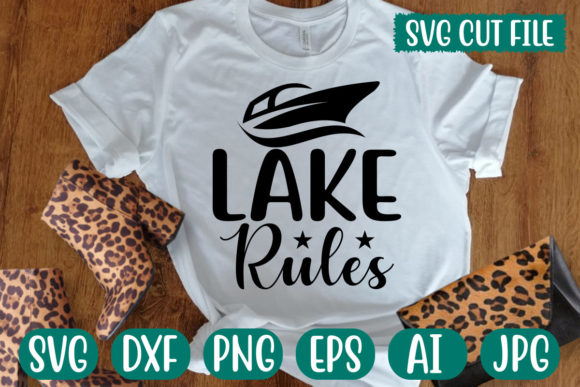
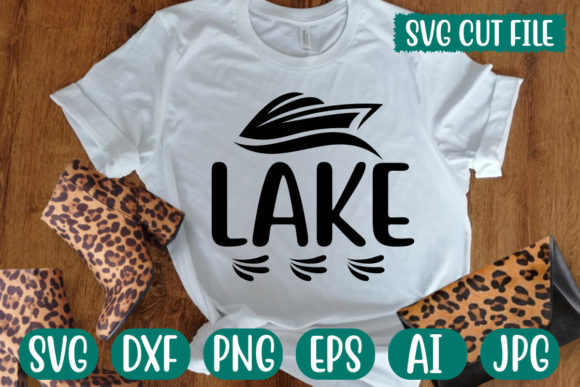
When I first opened the Lake Svg file, I felt an immediate sense of calm. The composition — a layered wordmark interwoven with a quiet lakeside scene — has a personality that sits somewhere between a rustic cabin sign and a modern boutique graphic. Soft tree silhouettes, gentle water ripples, and maybe a tiny mountain reflection are tucked inside the letter shapes. The visual weight is balanced, so it doesn’t scream for attention, but it lingers. As an embroidery designer, I’m always looking for art that will translate into a tangible, stitched object without losing its soul. Lake Svg, with its layered build and nature-inspired mood, has the kind of structured flexibility that makes me want to load up a hoop immediately.
First Impressions: The Visual Personality of Lake Svg
The design feels like a quiet morning at the water’s edge. Because the description mentions “Word By Layer Cut File,” I expected a typographic base, and that’s exactly what I got — a letter-based silhouette where each character holds a miniature landscape. The layering is done in a way that lets you separate the word outline from the inner scene details, which is a huge advantage for an embroidery project. You can plan a solid satin stitch border for the letters and then use a contrasting fill stitch for the trees, or even switch to an applique approach for a textured, dimensional look.
What strikes me is the mood. It’s not overly detailed or fussy. The lake elements are simplified enough to breathe, and that’s a good sign. In machine embroidery, a design that relies on dozens of tiny isolated shapes can quickly become a stitching nightmare. Lake Svg keeps the shapes bold enough to hold up under thread, and that’s exactly what I look for before I ever digitize a single stitch.
Translating a Layered Graphic into Embroidery
The download includes a zip with the layered SVG, a high-quality EPS vector, and a print-ready PNG. You’ll notice the file is a graphic — not a pre-digitized embroidery file. This is important. As a seasoned embroidery designer, I treat Lake Svg as a design asset, a clean starting point for building a machine embroidery design. The SVG and EPS give me scalable, clean outlines that I can import into my digitizing software. The layered structure means I can quickly assign stitch types to different areas: a satin stitch for the bold word outline, a fill stitch for the mountain shapes, perhaps a running stitch for fine water lines.
If you’re a small business owner or an Etsy seller who doesn’t digitize yourself, you’ll need to send this file to a professional digitizer. The good news is that the vector quality is crisp, so the conversion should be smooth. I always recommend doing a test stitch-out on scrap fabric before committing to your final product, especially when working from a graphic that wasn’t originally built for embroidery.
Stitch Planning and Thread Choices
The layered nature of Lake Svg lets you play with thread colors in a way that mimics the original composite. I’d likely use a deep navy or forest green for the outer letter border, and then switch to a soft teal, slate blue, or even a warm bark brown for the inner landscape. The key is to maintain contrast without making the scene look chaotic. I often test the design in black and white on my screen first — if it reads clearly as a silhouette, it will stitch with clarity.
Stitch density is another consideration. The layered file shows distinct areas, but if you shrink the design too much, those fine tree branches or water ripples can close up. I’d keep the finished embroidery size no smaller than about 3.5 inches wide for lettering-heavy compositions, and I’d use a medium-weight cutaway stabilizer to keep the satin stitch edges crisp even on knits or textured fabrics.
Real-World Embroidery Projects: Where Lake Svg Shines
I’m currently preparing a batch of custom embroidered tote bags for a lakeside craft market, and Lake Svg immediately jumped out as a candidate. The design’s earthy, reflective quality fits perfectly with a heavyweight canvas tote — the kind you’d throw over your shoulder for a weekend market run or a day at the cabin. Stitched in a tonal thread palette, the design would look handcrafted and intentional, not like a generic iron-on.
Custom Apparel and Everyday Wear
On a sweatshirt or hoodie, Lake Svg can become a statement piece. I’d place it on the left chest or across the back yoke, using a fluffy fill stitch for the trees and a smooth satin stitch for the letters. The design’s shape works well on a flat or slightly curved surface, so it’s also suitable for a unisex t-shirt. However, I’d avoid placing it directly over a side seam, and I’d be mindful of the fabric’s stretch. A soft no-show mesh stabilizer would keep the design from puckering on that favorite worn-in tee.
For baby bodysuits or toddler tees, you’d need to scale the design down. I’d be cautious here — the inner lake details might lose their charm at a very small size. I’d probably simplify the file by removing the thinnest lines before digitizing, keeping only the boldest elements. A lightweight fusible stabilizer and a soft backing would protect delicate skin while keeping the embroidery durable through wash after wash.
Accessories and Home Decor
I tested Lake Svg on a mockup of a linen tea towel, and the result felt like a quiet nod to slow living. The design’s nature theme makes it a natural fit for kitchen textiles, pillow covers, and even a simple apron pocket. On a structured cap, however, I’d be more selective. The curved front panel of a baseball cap can distort lettering, especially if the word is wide. I’d probably use only the inner lake scene without the full word, or I’d position the design on a flat cap back or a tote bag instead.
Embroidered patches are another avenue. Digitize Lake Svg with a tight satin border and a merrow edge, and you’ve got a patch that outdoor enthusiasts or cottage owners would love to sew onto their gear. The layered file makes it easy to separate the background and foreground for a clean patch layout.
Potential Pitfalls: When to Use Extra Caution
Every design has its limits, and Lake Svg is no exception. The most common mistake I see is forcing a highly detailed graphic into a hoop that’s too small. While the description notes this is a “Word By Layer Cut File,” the fine inner lines — those tiny pine needles or subtle water curves — could turn into a dense, unreadable blob if you’re not careful. I’d recommend a minimum hoop size of 4x4 inches, and even then, I’d run a stitch-out on a scrap of the same fabric you plan to use. If the details close up, consider converting some areas to a running stitch with a lighter density.
Fabric, Texture, and Wash Performance
Thin, stretchy fabrics like jersey or lightweight rayon can be tricky. The satin stitch lettering might pull and cause tunneling if the stabilizer isn’t right. I stick with a cutaway stabilizer for anything that will be worn and washed frequently. On thick, textured fabrics like a waffle weave towel, the design’s clean lines might get lost in the fabric’s own pattern. In that case, I’d test a sample first, and if needed, I’d add a layer of water-soluble topping to keep the stitches sitting on the surface.
Dark fabric also demands a shift in thread color. If the original PNG preview shows a design on a light background, don’t assume the same thread palette will pop on a deep charcoal sweatshirt. I always test my thread choices on a swatch of the actual garment before stitching the final piece. Sometimes a simple outline in a contrasting thread can make the whole design emerge beautifully.
A Small Business Perspective: Commercial Value
As someone who runs a small embroidery business, I’m always thinking about how a design will look in a product listing photo. Lake Svg has a clean, recognizable shape that photographs well. Whether I’m building a listing around a personalized lake-themed gift or a set of handmade kitchen towels, the design’s mood helps tell a story. Customers respond to designs that feel thoughtful and a little nostalgic, and this one hits that note.
For Etsy sellers and craft fair vendors, the design’s versatility is a real asset. You can use it on a series of products — a matching tote bag and tea towel set, a hoodie for a lake house gift, or a baby blanket embroidered with a soft, muted version of the scene. Because the SVG is layered, you can even adapt the colors to match a customer’s request, creating a personalized product without a lot of extra work.
However, always check the license before using the finished product commercially. The description indicates this is a digital download, and while many graphic files come with a standard commercial license for physical products, you should confirm that you’re allowed to sell items with the embroidered design on them. If you’re planning to offer the digitized embroidery file itself as a digital product, that’s a different licensing tier, and you’ll need to verify the terms. I never assume; I always read the fine print.
Practical Tips from the Embroidery Table
Before you commit to a full production run, here’s what I’d do with Lake Svg:
- Test on scrap fabric that matches your final product’s texture and weight. A simple calico test won’t tell you how the design behaves on a fleece hoodie.
- Check thread color contrast by laying the thread spools on the fabric in natural light. The colors that look perfect on screen can shift once stitched.
- Review stitch density in your digitizing software. The layered SVG gives you control, but you need to manually adjust for the fabric’s give.
- Confirm your hoop size can comfortably fit the design without crowding the edges. For the full word and scene, a 5x7 hoop often works best.
- Inspect small details in the inner lake scene. If a tree branch is less than 0.5mm wide after scaling, it might not stitch cleanly. Simplify when needed.
- Test in black and white to see if the silhouette holds up. If the shapes blur together, increase the spacing between elements.
- Compare light and dark fabric backgrounds with a quick digital mockup. A design that looks airy on white can feel heavy on a dark background.
- Use proper stabilizer for the fabric type. Cutaway for knits, tear-away for woven, and a topper for textured surfaces.
- Check licensing before selling finished items. Make sure the commercial terms cover your intended use.
These steps don’t take long, but they save you from wasting materials and disappointing a customer. Lake Svg is a graphic that originally fell into the category of T-Shirt Designs, but as an embroidery designer, I see it as a flexible design asset. The layered vector format is a gift because it makes the digitizing process more intuitive. You can isolate the word border, the tree shapes, and the water lines, then assign each a stitch type that suits its role.
The fact that it’s a digital download only — no physical product shipped — means you can start working with it immediately. The zip includes the core files you need: the layered SVG for clean outlines, the EPS for any software that prefers that format, and a PNG for quick previews or printable mockups. I usually pull the SVG into my digitizing program, resize it to the desired embroidery dimensions, and then begin plotting the stitch order. The PNG serves as a handy reference for color placement, and I often print it out and pin it beside my machine as a visual guide.
In the end, Lake Svg is a design that rewards a thoughtful approach. It’s not a one-click embroidery file, but for those of us who enjoy the craft of building a stitched piece from a strong graphic foundation, it’s a solid choice. The mood it creates is genuine, the layering is practical, and the finished product — whether on a sweatshirt, a tote, or a patch — has the kind of handmade integrity that customers notice and appreciate.