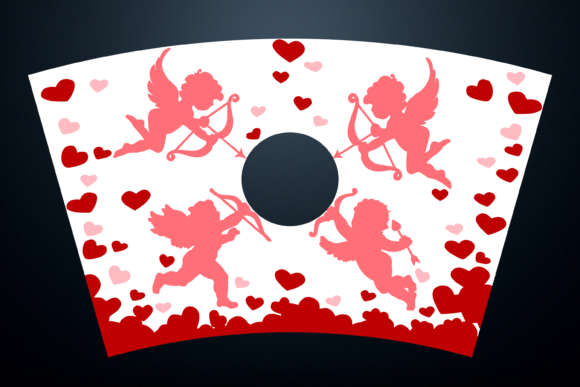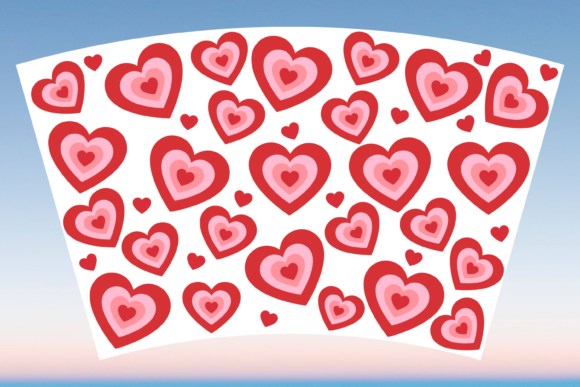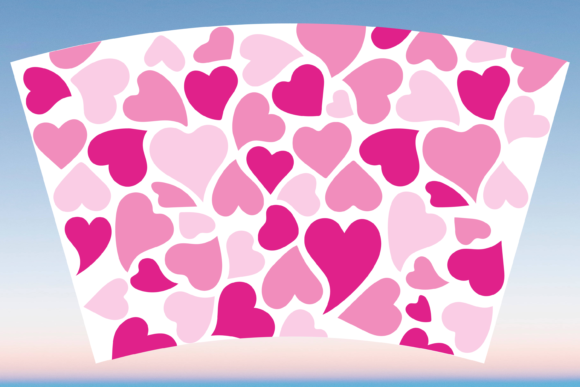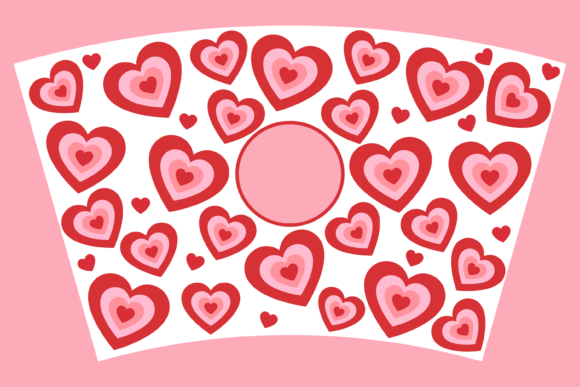
Aesthetic Hearts 24oz Venti Cup Wrap Svg
As an embroidery designer who reviews products for fellow makers, I don’t settle for how a file looks on a screen. I need to know how it behaves under the needle, what it does to fabric, and whether it actually makes a finished piece more valuable. The Aesthetic Hearts 24oz Venti Cup Wrap Svg landed on my desk during a busy week, and instead of scrolling past, I paused. There’s something about a 70s heart motif that feels both nostalgic and playful, and I immediately began imagining it stitched out on a tote bag, a sweatshirt, or even a baby blanket. But translating a cup wrap graphic into a real embroidery project requires a honest look at the details. Here’s what I found, and how this design actually performs when you’re preparing something for a customer or your own shop.
First Impressions: Groovy Hearts on a Canvas
The mood of the Aesthetic Hearts 24oz Venti Cup Wrap Svg is warm, slightly retro, and unapologetically friendly. The hearts aren’t stiff or perfect—they have an organic, hand-drawn quality that echoes the 70s aesthetic. That imperfection is a huge plus for embroidery. When you’re stitching onto textured fabric, slightly natural outlines feel intentional and forgiving. The layout is a long wrap, designed to fit a 24oz Venti cup, which means it’s essentially a repeating heart border with a cheerful rhythm. For a designer, that suggests a pattern that can either frame a product or become the main focal point. I immediately thought of a tote bag with a wide band of those hearts running across the front, or a denim jacket yoke where the design would curve just right with the shoulder seam.
The visual personality is approachable, not overly sweet. It’s the kind of design that makes a handmade product feel like a boutique find. Customers react to embroidery that tells a story, and this one whispers “vintage Valentine,” “craft fair treasure,” and “personalized gift” all at once. That’s a strong starting point for any project.
From Digital SVG to Embroidery File: What You’re Really Working With
The product description says it’s a digital download, originally intended as a cutting file or printable. That means you’re not getting a stitch-ready embroidery file. Instead, you get a high-quality vector graphic. For an embroidery professional, that’s actually a clean starting point. The scalability of the SVG means you can resize it in your digitizing software without losing quality, and then assign stitch types exactly as you want. But it also means you need to do the conversion work. If you don’t have digitizing software, you’ll need to hire a digitizer or use an online service. The result can be a beautifully crafted machine embroidery design, but the initial legwork is yours.
When I digitized the Aesthetic Hearts 24oz Venti Cup Wrap Svg for a project, I paid close attention to the original wrap proportions. The long format is about 9.5 inches wide, which is too wide for a standard 5x7 hoop. That’s a major practical consideration. You either need a larger commercial hoop, or you must split the design into sections and rehoop carefully. I’ll discuss how I handled that later.
Real Project Test: Boutique Tote Bags for a Valentine’s Pop-Up
A client who runs a small handmade shop asked me to create a limited-edition embroidered tote bag collection. She wanted something “retro love, not cheesy” and needed the bags to feel special enough to sell at a local market. I showed her a few concepts, and the Aesthetic Hearts 24oz Venti Cup Wrap Svg won instantly. The decision was made, but the real work was just beginning. I had to test the design on actual canvas, work out the stitch density, and decide how to present the wrap design on a flat tote surface.
I chose a natural cotton canvas tote with a medium weight. The 70s hearts needed to look like they belonged there, not like an ironed-on decal. I digitized the design as a combination of satin stitch borders and light fill stitches for the larger hearts, keeping the retro feel intact. The thread palette was earthy: mustard yellow, terracotta, warm cream, and a soft avocado green. That color story alone made the tote feel like a vintage treasure. After stitching, the bag had a charming, tactile quality that caught the eye of every person who walked by the market booth. The client sold out in two days.
Stitch and Fabric Strategy: What Works and What Doesn’t
For a design like this, stitching quality depends heavily on your choices. I used a medium-weight cutaway stabilizer on the tote, which prevented puckering even with the multiple hearts layered together. If you’re planning to stitch on a stretchy fabric like a sweatshirt or a baby onesie, you’ll need a firm backing and possibly a water-soluble topping to keep the satin stitches from sinking into the fleece. The stitch density needs moderation—too many stitches inside the small hearts will make the fabric stiff and prone to thread breaks. I kept the fill stitches at a light density and used a running stitch underlay to tack everything down.
Dark fabrics are a bit tricky. The retro hearts look best on light or medium backgrounds where the earthy tones can pop. On a black sweatshirt, I had to switch to brighter thread colors like coral and ivory to maintain the 70s vibe, and even then, the design lost some of its subtlety. I’d recommend testing your thread color contrast on a scrap of the exact fabric you’ll use. Also, avoid very thin or loosely woven fabrics—the design’s moderate amount of stitching needs a stable surface.
Hoop Size and Placement: The Long Wrap Challenge
The original wrap format is tall and wide, intended to encircle a cup. On a flat product, you have to adapt. For the tote bag, I split the design into two overlapping sections, each about 5 inches wide, that I could align using a multi-hooping technique. It took some practice, but the result was seamless. If you’re not comfortable with rehooping, you can use just a portion of the design—say, a 4-inch strip of hearts—and treat it as a decorative border. That works beautifully on a pillowcase, an apron strap, or the cuff of a sweatshirt.
For a baby embroidery project, I scaled the design down to fit a 4x4 hoop for a onesie. The larger hearts reduced nicely, but the tiniest details inside some hearts became problematic. Those little dots and thin lines needed to be omitted or simplified to avoid thread breaks and a messy look. That’s a standard adjustment when converting a graphic to stitches, and it’s something every embroidery designer should do before the final stitch-out.
Where the Design Shines—and Where It Struggles
The Aesthetic Hearts 24oz Venti Cup Wrap Svg is a standout for projects that need a touch of personality without shouting. It’s perfect for custom apparel, especially tote bags, denim jackets, and relaxed sweatshirts. I’ve seen it on a tea towel, a pillow cover, and even a fabric banner for a nursery. The hearts have a universal appeal that works for weddings, anniversaries, Valentine’s gifts, or just a cheerful everyday item. From a business perspective, the design adds instant recognition to a handmade product. It’s the kind of embroidery that makes a customer smile and say, “This is so unique.”
However, the design isn’t a walk in the park. The long wrap format requires hoop planning. The curved arrangement, originally meant for a cup, can look slightly off on a perfectly rectangular surface unless you tweak the placement during digitizing. I straightened the heart alignment slightly for the tote bag project, and that small edit made a big difference. Also, if you’re new to embroidery, the need to digitize from an SVG may be a barrier. You’ll need to invest time learning the software or pay a professional. And small lettering or extremely fine details are absent—this is a heart pattern, so don’t expect text. That’s not a flaw, just a design boundary.
Licensing and Commercial Use: A Reminder for Sellers
If you’re a craft business owner or an Etsy seller, you must check the license before using this design on products you sell. The product page says it’s an instant digital download, and typically such files allow commercial use of the finished physical product, but you should confirm. I always keep a copy of the license terms and note the seller’s permission. This protects your small shop and ensures you’re not infringing on the designer’s rights. For commercial embroidery projects, especially for client orders, you need that clarity. The same goes if you plan to use the SVG to create an embroidery file and sell it—that’s a different permission level. When in doubt, reach out to the original artist.
Practical Tips Before You Start Stitching
Here’s a quick rundown of what I learned from using the Aesthetic Hearts 24oz Venti Cup Wrap Svg in real projects:
- Test the digitized design on the exact fabric and stabilizer you’ll use for the final product. A scrap test can save you from a ruined blank.
- Check your hoop size carefully. If you can’t fit the full wrap, plan to use a section or master multi-hooping.
- Choose matte embroidery thread—polyester or cotton—to get that authentic 70s texture. Shiny rayon can cheapen the vintage feel.
- Simplify tiny details if you scale down. The little dots inside hearts may not stitch cleanly at small sizes.
- Review the design on both light and dark fabrics. The color story changes dramatically, and you might need to adjust thread colors.
- If you’re selling the finished product, consider including a small tag that mentions the embroidered design’s inspiration. It adds a storytelling element customers love.
Final Verdict: A Makers’ Design with Soul
After multiple stitch-outs, client feedback, and my own design instincts, I can say the Aesthetic Hearts 24oz Venti Cup Wrap Svg is a genuinely useful asset for embroidery creatives. It’s not a plug-and-play embroidery file, but with some digitizing effort, it becomes a warm, memorable design that elevates handmade products. The retro heart motif has a staying power that goes beyond trends, and the wrap format invites creative placement. For tote bags, pillows, apparel, and even nursery items, it adds a professional yet personal touch that customers notice immediately.
If you’re a designer, a small shop owner, or a hobbyist looking to make something that feels special, this design is worth the time to convert and test. Just remember to respect the hoop, choose your fabric wisely, and always keep the thread colors earthy. The 70s heart vibe is a quiet winner—and in a world of loud embroidery, a little nostalgia goes a long way.